
Saturday, January 5, 2019
Friday, August 10, 2018


羅德島州州長Gina Raimondo參觀華人教會
 |
| 羅德島州長Gina Raimondo(中)和耆英們,以及羅德島華人基督教會牧師艾偉信(前左五),羅德島華人協會主席葉超,會長吳子平(後右一)合影,(周菊子攝) |
 |
| 吳子平(左一),葉超(右二)陪同羅德島州長Gina Raimondo(左二) 參觀羅德島華人基督教會。(周菊子攝) |
羅德島州長Gina Raimondo在2014年當選後,這還是第一次正式拜訪羅德島華人基督教會。她在四名隨員陪同下,由羅德島華人協會主席葉超,會長吳子平,以及黑石谷旅遊局局長畢靈頓(Bob
Billington),牧師艾偉信(Nelson Estrada)引領,參觀羅德島華人基督教會,和在場的耆英們親切寒暄,合影。
羅德島州當年最出名的中餐館,1960年代開在Providence市Eddy街59號的Luke’s餐廳老闆娘陸美香,當天也來到現場。Gina Raimondo知道她就是那出名餐館的老闆娘後,高興的和她握手,晤談。
 |
| Luke's餐館老闆娘陸美香(左二)和羅德島州州長Gian Raimondo(右二) 寒暄。(周菊子攝) |
羅德島華人基督教會去年(2017)才剛慶祝成立40週年,大門入口也重新設計,翻修得美輪美奐。Gina Raimondo聽到葉超,吳子平說明教堂會址不只供教徒做禮拜,舉辦許多文化活動,豐富地方民眾精神生活,還開辦中文班,英文班,甚至有籃球,排球場地,儼然地方上的社區中心,頻頻點頭。
 |
| Luke's餐館老闆娘陸美香(右)和羅德島州州長Gian Raimondo(左) 寒暄。(周菊子攝) |
經葉超,吳子平邀請,Gina
Raimondo還移步到教堂附近,羅斯福大道555號的M 住宅大樓,看到位於黑石河畔的三座磨坊工廠大樓,被改建成大約160戶精緻的住宅大廈,不但四周有花草樹木,小河流水的景觀,樓內的健身房,活動中心,宛如私人電影放映場的小戲院,更是大為讚賞。
葉超,吳子平,畢靈頓等人在Gina
Raimondo參訪途中,描述了他們持續開發中央瀑布市,打造促進經濟發展項目的計畫,數度表示州政府絕對有意願合作,請他們進一步和州政府洽談。她甚至主動說,”你們應該來和我談”。
 |
| 羅德島州州長Gina Raimondo(左五)和陸美香(右七),牧師艾偉信(右二), 葉超、吳子平等人合影。(周菊子攝) |
羅德島州是全美最小的州,人口僅105萬,其中亞裔佔2.9%,約30,457人,華裔更少,約6860人,僅佔總人口的0.7%。若再把人數縮小為具有投票資格,已辦理選民登記者,恐怕更少,但羅德島州的華裔市長馮偉傑(Allan Fung)在2014年參選羅德島州州長,僅以些許之差飲恨,今年捲土重來,再度參選州長,在民意調查中和已宣佈競選連任的Gina
Raimondo,或是打平,或是僅落後在誤差範圍內的2%,都讓羅德島州華人社區十分鼓舞,比以前更關注選舉。
 |
| 羅德島州州長Gina Raimondo(左)向葉超,吳子平提問。(周菊子攝) |
 |
| 右起,Bob Billington,吳子平,葉超(左二)等人向羅德島州長 Gina Raimondo說明周邊土地發展概況。(周菊子攝) |
 |
| 羅德島州州長Gina Raimondo(前中)在葉超(前左),吳子平(前右)陪同 下參觀大澳集團的發展項目。(周菊子攝) |
 |
| 黑石谷旅遊局局長Bob Billington向羅德島州長Gina Raimondo(左四) 說明計畫籌辦的活動。(周菊子攝) |
 |
| 葉超(右)和黑石谷旅遊局局長Bob Billington(中)向羅德島州長 Gina Raimondo(左四)描述發展計畫。(周菊子攝) |


Friday, July 27, 2018

ILF政商菁英午餐會 孟昭文、劉雲平鼓勵青年參與公共事務
 |
聯邦眾議員孟昭文(前左五起)及劉雲平,和國際領袖基金會執行長董繼玲(前左四),主席徐紹欽(前右四),全球會長陳銘達(前右三),以及各分會會長合影。(周菊子攝)
|
(ILF訊)國際領袖基金會(International
Leadership Foundation,簡稱ILF)七月十九日中午,在華府(D.C.)首都希爾頓大飯店舉行第19屆年會的「政商菁英午餐演講會」。聯邦眾議員孟昭文(Grace Meng),劉雲平 (Ted Lieu) 應邀出席,鼓勵亞裔青年、學子積極參與公共事務,服務社區,競選公職,為亞裔社區發聲。
國際領袖基金會的「公共事務實習計畫」,今年錄取23名全美各地的頂尖大專院校學生。其中加州柏克萊大學的Stanley Shaw和喬治城大學的王馨怡(Casey Wang),也在年會上代表實習計畫學生們匯報成果。
國際領袖基金會主席徐紹欽博士表示,該會成立20年以來,一直致力於培育青年領袖,希望ILF各地分會從在地角度,增加活動,並鼓勵亞裔青年學子關心公共事務,參加社區服務,以引導年輕世代團結,合作,融入主流社會,爭取、保護亞裔社區在美應享有的權益。
國際領袖基金會創辦人董繼玲表示,"在美國社會的移民族群中,亞裔增長幅度最大,經濟實力最強,絕大多數注重教育,卻多半不關心政治,更鮮少從政,以致於在政界為亞裔發聲的領袖屈指可數。國際領袖基金會希望在這方面盡力,自創立以來,積極為亞裔青年提供培訓機會,鼓勵他們學習美國聯邦政府的實際運作程序與方法,充分了解政府公共政策對亞裔社區發展可能有的重大影響,進而懂得如何善用政府各項資源,增加亞裔在美國社會的影響力。
聯邦眾議員劉雲平在會中致詞,主要談亞美社區,以及網路安全(Cyber Security)。他指出,美國人口統計局的資料顯示,過去十年,亞裔是美國人口成長最快族裔,皮優研究中心(Pew Research)去年的資料也稱,到2050年時,來自亞洲的移民比世界上的其他地區都多,這趨勢恐無法遏止。確保亞裔在政策制定桌上也有席位,因此更加重要。
在網路安全上,他敘述了”60分鐘”找他做的一次駭客試驗。”60分鐘”買了一個新電話,交給他,請他使用一星期,回頭約他訪問時,”60分鐘”做的第一件事是播放他和家人,屬下員工的談話錄音,顯示給他看,在那一週內,他都去了哪些地方,儘管他關閉了電話上的定位設置。”60分鐘”還說他們能夠在他發短信的同時就取得信息內容。
劉雲平指出,這是名為”七號系統信號法(Signal system number 7 law)”的電信圈已知缺失,持有遙距監控權力的人,只要拿到一個電話號碼,就能在全球任何地方取得使用者的資訊。
聯邦通訊局(FCC)兩天之後也做測試,並在一個月後提出報告,坦承這是個問題,要解決並不容易。劉雲平表示,因此個人要保護自己的方法之一就是加密,但這很麻煩。他也勸大家,儘可能不要登陸公共無線網路。
紐約州聯邦眾議員,也是美國國會亞太裔核心小組政治組召集人的孟昭文表示,2016年的大選結果儘管令人興奮,亞裔國會議員人數從13增加到了18,但亞裔和黑人及西班牙裔這三個國會核心小組合作,才成了民主黨核心小組的大多數,增加了影響力。
她指出,目前她花較多心力關注的議題包括,明年將舉辦的華裔太平洋鐵路工人紀念會,這是她作為一名在紐約長大小孩,在學校中從未學到過的歷史,她希望藉此讓亞裔,以及所有其他人都知道亞裔對美國社會的這巨大貢獻。她還新成立了一個撥款(appropriation)委員會,希望藉以為項目爭取經費,其中一個獲得經費機構是史密森尼博物館(Smithsonian museum)的亞美中心。她的夢想是,有一天在華府會有個亞美博物館,讓每一個到華府參觀的人,都有機會看到,了解到亞裔對美國的各種貢獻。
孟昭文還有個次委員會資助人口統計調查。她希望讓亞裔社區知道填寫人口統計調查表有多重要。因為越多人填表,社區才有機會從聯邦政府得到越多的修橋,補路,社會福利經費。
19日中午舉行的國際領袖基金會年會「政商菁英午餐演講會」,嘉賓冠蓋雲集,除前述兩名聯邦眾議員外,出席嘉賓還有刻正競選羅德島州州長的Cranston市市長馮偉傑(Allan Fung),羅德島州Central Falls市市長James Diosa,加州第39區國會眾議員韓裔候選人金映玉(Young Kim),亞利桑那州財務長參選人暨現任參議員余艷芬(Kimberly Yee),加州司法部督察副檢察長劉馨儀(Linda
Sun)等人。
國際領袖基金會在全美共有15個分會和5個委員會。各分會會長和共同主席,包括林美蓮(舊金山),黃亞村、馬勇(紐約),洪逸青、蔡慶雲(洛杉磯),吳小燕(西雅圖),孔慶超、姚學智(底特律),吳來蘇、傅惠芬(芝加哥),嚴培達(奧蘭多),鄭漢城(邁阿密),簡衛(亞特蘭大),李蔚華(休士頓),谷祖光、陳文珊(達拉斯),葉超、吳子平(新英格蘭),黃國清、何西典(華盛頓DC),陳銘達、吳垣(全球)等,以及委員會主委董殿會,陳鈞亞,白越珠,俞乃奮,汪清,Matthew
Lee,沈郭逸媛,ILF執行主任具秀慶(Soo Kyung Koo)等人,當天也幾乎悉數在座。
國際領袖基金會表揚10人 陳本生獲領袖服務獎
 |
| ILF 新英格蘭芬會組團赴華府參加年會。 |
(ILF訊)國際領袖基金會(International Leadership
Foundation,簡稱ILF)七月十九日晚在華府(DC)首都希爾頓大飯店舉行第19屆年會,約500嘉賓共襄盛舉,聆聽美國交通部部長趙小蘭(Elaine Chao)的主題演講,恭賀10名對社區有傑出貢獻人士,分別獲得公共服務獎,領袖服務獎,見證23名「公共事務實習計畫」學員結業。
 |
| 刻正競選羅德島州長的克蘭斯頓市長馮偉傑(左)代表ILF頒發領袖 服務獎給陳本生醫師。 |
獲得公共服務獎的5名傑出人士分別為,美國健康及人民服務部少數族裔健康助理部長林元清,美國專利及商標辦公室退休法官Chung
Pak,加州司法廳督導副檢察長劉馨儀,亞利桑那州參議員暨財政長候選人余艷芬,德州眾議員陳筱玲。
 |
| 美交通部部長趙小蘭(後中)和ILF得獎人合影。 |
獲得領袖服務獎的5名傑出人士分別為,夏威夷醫療獎學金創辦人陳本生,汎美財務公司(World Financial Group)主席Xuan Nguyen,哈佛大學學者王開元,徐李基金會創辦人徐玲,誠美(Chengmei)集團執行長張恩。
獲獎者中的陳本生,王開元,都和新英格蘭地區有淵源。
 |
| 美交通部部長趙小蘭(中)和ILF各分會會長合影。 |
陳本生來自香港,畢業於台灣國防醫學院,後來到布朗大學深造,並在居住於羅德島州的11年內,擔任州內多家醫院的醫生及教授。他後來遷居夏威夷,創辦了夏威夷醫療獎學金基金會,醫療日,廣播電台醫療清談節目,曾任夏威夷醫療中心首席心臟病醫師。他和人共同擁有,共有250張病床的夏威夷檀香山東西醫療中心,數年前被檀香山皇后(Queeens)醫療中心買了下來,但他仍留在該中心行醫。
 |
| 美交通部部長趙小蘭(中)和ILF執行長董繼玲(右起),主席徐紹欽, 全球會長陳銘達,行政主任具秀慶。 |
王開元是一名企業家,學者,慈善家。他的履歷洋洋灑灑,既是甘迺迪圖書館基金會董事,哈佛費正清中心研究員,也是紐約經濟俱樂部會員,紐約青年企業家圓桌會共同創辦人,以及可持續發展科技基金會,聯合國的木魚基金會,亞太創新協會,北美中國大學校友會聯盟等的董事。他還是北京大學企業家俱樂部的創會董事,北大企管碩士校友會副主席。2015年時,他還在麻州劍橋市創辦了一個非牟利機構,治理學院(Goverance Institute),在2013年到2017年間,他曾是哥倫比亞大學,哈佛大學甘迺迪政府學院艾許(Ash)民主治理及創新中心,法學院東亞法律研究中心的訪問學者。2016年獲得奧巴馬總統義工服務獎,
 |
| 美交通部部長趙小蘭。 |
國際領袖基金會創辦人董繼玲表示,10名獲獎者來自全美各地,都是在社區服務上有傑出貢獻者,該會希望藉著表揚他們,鼓勵亞裔青年們以他們為榜樣,效仿,學習,並帶動更多人為社區服務。
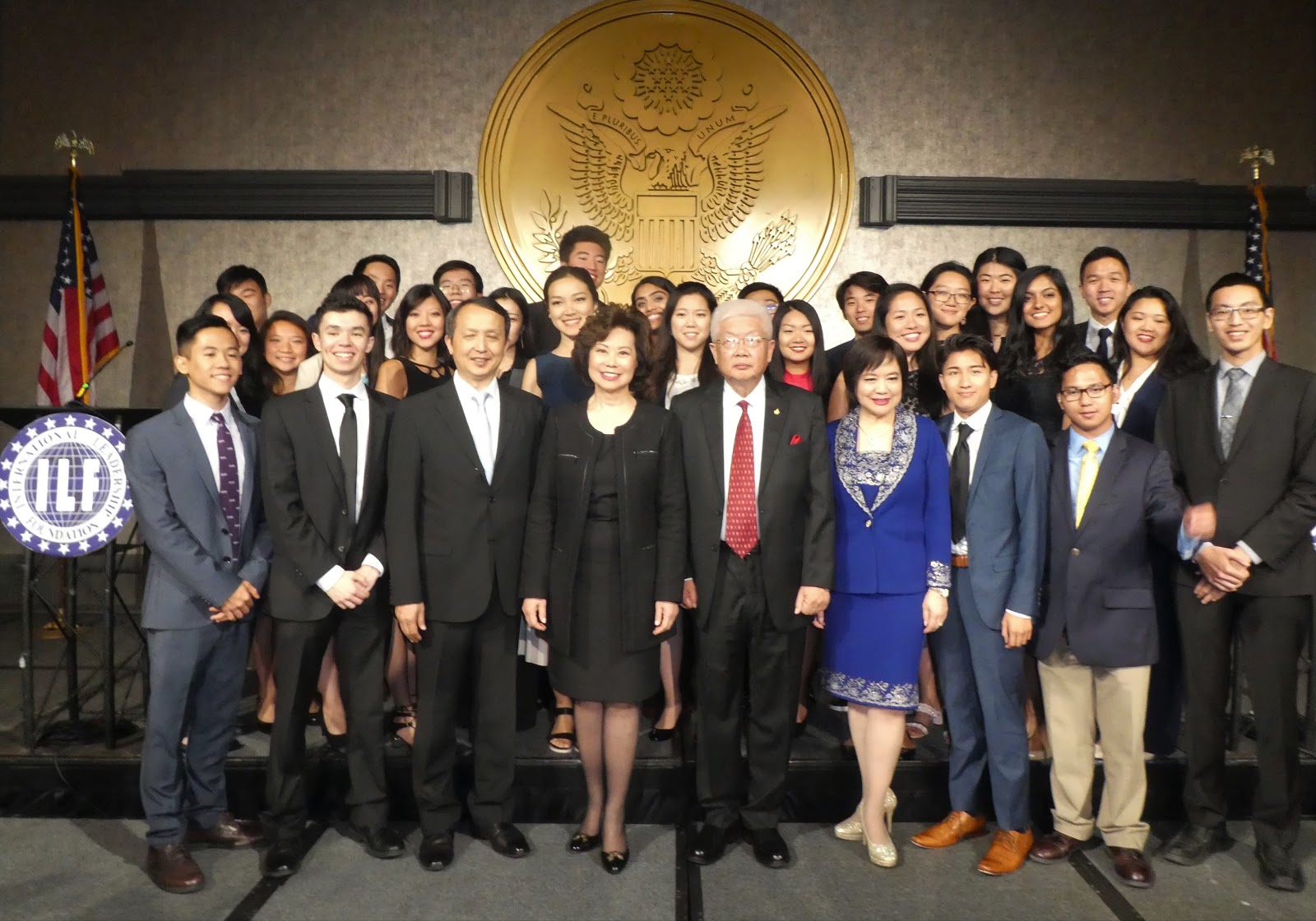 |
| 美交通部部長趙小蘭(前左四)和ILF執行長董繼玲(前右四),主席徐紹欽(中), 全球會長陳銘達(前左三)和ILF公共事務學員合影。 |
美國交通部部長趙小蘭當晚應邀為頒獎晚宴做主講嘉賓。她強調讓主流社會,讓更多人知道亞裔的成就和亞裔對美國的貢獻,非常重要。她也感謝董繼玲創辦了國際領袖基金會,和徐紹欽,陳銘達,以及各分會顧問等人都有支持,表揚對美國有貢獻亞裔的遠見,讓更多人認識到了,亞裔當年來美建鐵路,如今或開新興科技公司,或從軍服務,或在文化,藝術領域都有傑出成就。
趙小蘭獲有37個榮譽學位,在現任美國交通部部長之外,還曾擔任美國勞工部部長,是美國有史以來第一位出任內閣部長的亞裔女性。
她表示自己一生致力協助亞裔,以及其他受照顧程度不足社區。擔任勞工部部長時,就曾辦過許多年度會議,幫助人們了解成為聯邦員工或取得政府採購合約的途徑,以及政府機構都訂有目標比率,要把採購或工程合約分配給少數族裔的這行政原則。
 |
| 哈佛學者王開元獲頒領袖服務獎。 |
在她任內,勞工部還從2003年起,首度開始記錄亞裔就業數據,並以中文,越南文,韓文等好幾種語言,翻譯了相關勞工法令,還設立了有薪實習計畫,從受照顧程度不足社區,尤其是亞美社區來招募實習生。
當上交通部部長後,她訂有三個優先要務,分別是安全,照顧國家基礎建設需要,以增加經濟上的競爭力與生產力,以及借助新興科技,來既不傷害國家利益,又照顧到有關安全及隱私的合理顧慮。在此同時,她一樣致力協助受照顧程度不足社區(underserved community),還舉辦就業展來增加交通部員工的多元化,舉辦工作坊來說明爭取政府工作或採購合約的流程。有興趣到交通部實習的人,可以上交通部網站,www.Dot.gov,查詢資訊。
趙小蘭說,她更願意以”授人以漁”的方式,把爭取工作機會,承包合約的方法、路徑告訴人們,讓人們自己去發掘聯邦政府裏有些什麼機會。今年九月,交通部還會舉辦學生就業展。
在講話中,趙小蘭給出許多數據。她透露,交通部每年在基礎建設上大約花費770億元。今年還會增撥100億元來協助各州政府修橋補路。聯邦政府的減稅及廢除冗規措施,才剛開始。經濟成長已經上揚,從2016年的1.6%增長到2017年的2.3%,單只去年,已創造300萬個工作機會,失業率也在今年五月降至3.8%,達18年來的最低點,亞裔社區的失業率更低到僅只3.2%。她說,有這些數據,就是因為政府現在追蹤、記錄亞裔社區數據了。
根據資料,亞裔現在約佔美國總人口的7%,或者說在2016年時約有2000萬人。事實上單單是從2000年到2010年,亞裔社區人口增加了43%,比任何其他族裔都增長的快。在人口增加的同時,亞裔對美國經濟活躍、文化多元化的貢獻,也在增加。由亞裔擁有的小企業,在2016年為美國創造了7070億元的經濟力量,聘用了360萬名員工,在美國所有族裔中是表現最好的一個。
趙小蘭還指出,美國司法部和教育部在2018年7月3日宣佈了高等教育機構指導原則的變更,回歸既往。這兩部門都相信接觸有色族裔和受照顧程度不足族群很重要,應該繼續,但他們也確認,入學許可政策必須尊重成績,同時不抹殺那些做了犧牲,在自己身上投資時間,精力,取得優異成就的人。
趙小蘭表示,亞裔有著親愛家庭,勤奮工作,注重教育等可和美國主流社會分享的許多優良傳統,今日的亞裔,絕不需要懷疑自己也是美國主流社會的一部分。
董繼玲指出,ILF如今已是全美知名的青年領袖人才培訓機構,以培育下一代亞裔領袖人才為宗旨,辦有暑期實習計畫,以提高亞裔年輕一代參與公共事務的興趣,也為他們提供進聯邦政府部門實習的機會。實習計畫辦理迄今,已有逾千名學生受益。
為開闊青年人才國際視野,增加美國青年與海外亞裔青年交流機會,國際領袖基金會今年還特別邀請了刻在華府訪問的「臺灣青年海外搭僑計畫」的十二名優秀學生參加年會晚宴。此舉同時讓台灣青年有機會觀察,瞭解美國亞裔族群的奮鬥成功經驗。
國際領袖基金會在年會當日中午,還舉辦了「政商菁英午餐演講會」。
Sunday, February 25, 2018
羅德島華協與眾同歡慶新年
 |
羅德島華人協會理事和中領館領事王軍向觀眾拜年。左起,章賢信,
饒彬,楊衛青,中領館領事王軍,王曉元,萬寅生,沈希。
|
 |
從左到右,章賢信,孫琰,才旭,王曉元,中領館領事王軍,
萬寅生,楊慶,中領館領事沈希,王強等人向觀眾拜年。
|
中國駐紐約總領事館領事王軍,王強,副領事沈希也特地趕到,代表中領館向羅德島華人送上新年祝福。
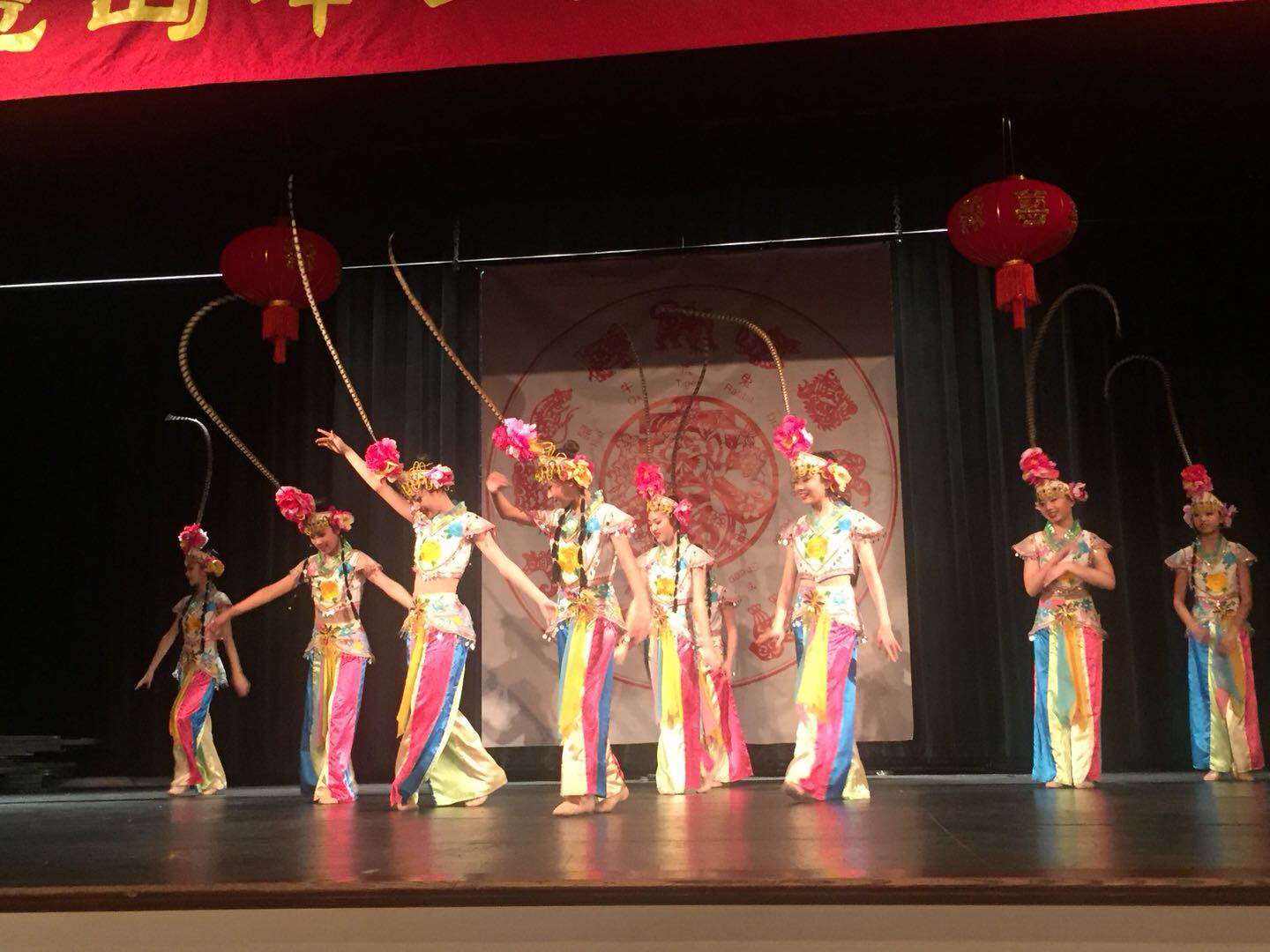
今年的表演節目,除了羅州功夫團的舞獅及功夫示範,中華民俗藝術工作坊承擔了三段7支舞蹈表演之外,羅德島中文學校和羅德島華人協會舞蹈團也各表演了一支舞蹈,還有兩名強生威爾士大學學生做男女聲獨唱,鄭碧映與周婕以二胡和琵琶合奏,羅州拖拉機俱樂部合唱。
表演節目部分,最後在星星中文學校大合唱”好大一棵樹”,”國家”生ˋ中落幕。




Wednesday, February 21, 2018

Tuesday, February 6, 2018
克蘭斯頓市市長馮偉傑父親辭世
 FUNG, KWONG WEN
89, of Cranston, passed away on Saturday, February 3, 2018 at The Cedars in Cranston. He was the beloved husband of Tan Ping (Lo) Fung for the past 47 years. Born in Canton, China he was the son of the late Yung and Ju Jie Fung. Mr. Fung and his wife were the epitome of the American dream. After marrying in Hong Kong, they came to Rhode Island in 1969 in search of a better life for the family that they were about to start. They opened Kong Wen Restaurant in Cranston in 1970 and he was the chef cooking for his loyal customers for over 35 years before retiring.
Besides his wife he is survived by his loving children, Mayor Allan Fung and his wife Barbara Ann Fenton of Cranston, Anna Fung-Panciera and her husband Richard Panciera of Johnston and Arlene Fung of Cranston. He will be greatly missed by all of us especially his adored daughter and "partner," Arlene. They would be seen walking all over Garden City daily. After several illnesses, he required around the clock care at The Cedars, where the love and attention he received from the staff was so much more than we could have expected. We thank everyone there for the wonderful care they provided to him.
The family will be receiving visitors Thursday morning from 9-10 am in the NARDOLILLO FUNERAL HOME & Crematory, 1278 Park Ave., Cranston, followed by a procession and graveside service in Highland Memorial Park, Johnston. VISITING HOURS: Wednesday evening 4-8pm. In lieu of flowers, donations may be made in his memory to RI Special Olympics. Visit Nardolillofh.com for online condolences.

Many of you remember my
father, Kwong Wen, from the days of our family's restaurant. His lesson to me
and my two sisters was simple - hard work makes your dreams come true. My
father was the epitome of the American dream.
Born in Canton, China,
he made his way to Hong Kong as a teenager, and spent his early years working
as a welder. He fell in love and married my mom Tan Ping. When I traveled to
China about two years ago with my wife, we went to several of his favorite places
- including the Hong Kong Jockey Club to enjoy his beloved horse races.
But my father dreamed
about the promise of America, and immigrated to Rhode Island with my mom in
1969. I was practically a stowaway as my mom was several months pregnant. I was
born at the old Lying-In Hospital in Providence, and would be followed by my
sisters Anna & Arlene. When my parents opened up their restaurant,
Kong Wen, it became our second home. After school, my dad would insist I do my
homework in the corner booth before I began work bussing tables, washing
dishes, & waiting on our customers. Over the years, I learned to cook at
the side of my hero, my father.
After owning the
restaurant for over thirty five years, my parents finally retired. To stay
healthy during his early years battling Parkinson's, he would be seen walking
all over Garden City, every morning, with his adored daughter Arlene. Neighbors
would wave and look out for them both. After several illnesses, he required
around the clock care at The Cedars, where the love and attention he received
was second to none.
All my parents ever
asked for was for the opportunity to succeed. They knew that in America, the
options were endless, & the only requirement was hard work. They worked
tirelessly seven days a week for decades. I am so proud of their story, their
bravery, and their devotion to ensuring their children had a better life.
His passing this weekend
only hardened my resolve to reinvigorate this state, which they chose to start
their new life in America, as the land of opportunity for the next generation.
In his memory, we fight harder & recommit this movement to make Rhode
Island the place that people want to come to in order to live out their
American dream.
My family and I
appreciate the overwhelming kind words of support so many of you have sent
since his passing on Saturday. A public remembrance and wake will take place at
Nardolillo Funeral Home on 1278 Park Avenue in Cranston on Wednesday, from 4-8
PM. We will also be receiving visitors Thursday morning from 9-10 AM at
Nardolillo Funeral Home, followed by a procession and graveside service in
Highland Memorial Park, Johnston.
Thank you for your
support,
Allan Fung
羅德島州克蘭斯頓市市長馮偉傑(Allan Fung)的父親馮廣運,2月3日傍晚因帕金森併發症辭世,享年89歲,訂2月7日(週四)下午4到8點,在克蘭斯頓市的Nardolillo 殯儀館(1278 Park Avenue)舉行追悼會。
馮偉傑刻正再次參選羅德島州州長,已於2月3日在臉書上告訴親友這一消息,他的競選團隊今(5)日正式公告,指馮廣運的一生有如美國夢的縮影,他教育一子二女時,以簡潔的”天道酬勤”為座右銘。
馮廣運生於中國廣東,青少年時移居香港,做了幾年焊工後,和勞台萍相戀成婚,為了下一代有更好的生活,1969年移民來美,定居羅德島州,1970年開了自己的餐館,持續經營35年。
馮偉傑表示,二年前他偕妻赴中國大陸,參觀了幾個父親鍾愛的地方,包括香港馬會,體會了一下父親喜愛的賽馬。
他父親是為了美國夢才於1969年和他母親一起移民到羅德島州的。那時他母親懷有幾個月的身孕,稍後才在羅德島州普域敦斯市老舊的Lying-In 醫院生下他。後來也在那醫院生下他的兩個妹妹,Anna 及 Arlene。當他父母開了”廣運餐廳”後,那餐廳就成了他們的第二個家。放學後,他父親會堅持要他先在角落餐桌把功課做完,才開始端菜,洗碗,招呼客人。那些年他跟在自己視為英雄的父親身邊,也學會了做菜。
開餐廳35年之後,他父母才終於退休了。在他剛得帕金森症的那幾年,為了保持身體健康,每天早上人們都會看到他和女兒Arlene在花園城市裏散步。鄰居們也會揮手和他們兩人打招呼。但病了幾次以後,他需要有人24小時照顧。
馮偉傑說,他父母從來只是要成功的機會,而他們知道,在美國,只要努力工作就有無窮盡的機會。幾十年來,他們不眠不休,一週七天的工作。他為他們一生的故事,他們的勇敢,以及他們為確保子女有更好生活所做的奉獻感到非常驕傲。
馮偉傑在公開信中說,父親在這週末辭世,只加深了他想要重振羅德島州的心意。這是他們選擇在美國展開新生活,給下一代機會的地方。為紀念父親,他要更加奮鬥,重振父親的精神,使羅德島州成為人們想要來實現美國夢的地方。
馮偉傑和家人感謝各界人士在他父親過世後給出的感言,讚語。星期三下午4到8點,在克蘭斯頓市1278 Park Avenue的Nardolillo殯儀館,將舉行追思會。星期四早上9到10點,也會在殯儀館內接待來悼念的人,然後在Johnson的高地紀念公園舉行葬禮。
Subscribe to:
Posts (Atom)